All Categories
Featured


Predictive Modeling to Boost 2026 Performance Growth
Table of Contents
While performing an usability test, one of the guinea pig described after performing such a search and finding out that it was not connected to his category: "When I browse when I am in a classification then to me it seems rational to browse within that classification." When we value this user context, it's simple to comprehend how users make this conclusion.
This is especially important on mobile, when people are dealing with smaller sized screens and typically wish to see a smaller sized subset of item options. Mobile users should be able to pay in a structured method. Throughout our use screening of mobile checkouts, we have actually observed that Payment Technique selection is a step where users frequently experience usability problems.
All of those choices can be challenging to balance on a little screen, leading to users becoming overwhelmed and confused. Check out Baymard's annotated examples that emphasize what 92 business are doing right and wrong with their mobile payment alternatives, and discover suggestions on improving your mobile experience to get more conversions.
Managing Search Growth in the United States
It's clearly noticeable and separated from the rest of the fields, but remains collapsed to decrease the focus and minimize abandonment. Our eye-tracking test sessions verify that empty type fields draw an out of proportion quantity of user attention, and marketing fields, like "Coupon Code," will get observed immediately if revealed by default within the typical circulation of kind fields.
As soon as users notice the voucher field, they will often feel like they are overpaying. As one subject stated: "I discover it a little frustrating that they're flashing these voucher code fields as much as they do, due to the fact that it resembles, 'You ought to have a coupon, you could get this less expensive if you knew this code' I don't." To solve this, collapse all discount coupon and advertising fields behind links, and location those links secondary to the step's primary purpose (e.g., listed below the charge card form).
Think about including things like product composition (materials or components), item dimensions, and compatibility information to your item descriptions. Despite the fact that the user misspelled the item they are looking for, Wayfair still used the right item ideas. Poorly performing autocomplete fields on ecommerce websites puzzle users and drag down your conversions.
Optimize your autocomplete suggestions for better conversions. For instance, make certain misspelled inquiries do not cause use issues that trigger users to abandon the website. The objective of conversion rate optimization is to enhance the results you're obtaining from your existing website traffic. With a strong ecommerce CRO technique, you can increase the number of conversions you get, whether you're searching for more clicks, sign-ups, or sales.
Making incremental changes can lead to a significant earnings increase. Find out more about the UX style process. If you desire to enhance conversion rate, then it needs to be tracked! To track an ecommerce site's conversion rate, you can utilize a variety of analytics tools. While Google Analytics is the most popular option for website-specific information, there are various alternative approaches for measuring this crucial metric.
Cutting Google Ads Acquisition Costs Today
a month or a year), divide the total variety of purchases made throughout that period by the total number of visitors to your site. Numerous manageable aspects can influence conversion rates, such as the design of your web pages, the quality of your site content, and the pricing and quality of your service or products.
If you are getting more traffic, but your conversion rate drops, this is likely due to the quality of that traffic. In some cases higher traffic does not always correspond to more sales, implying that where that traffic comes from, and the intent of the website visitors, matters more than the traffic number itself.
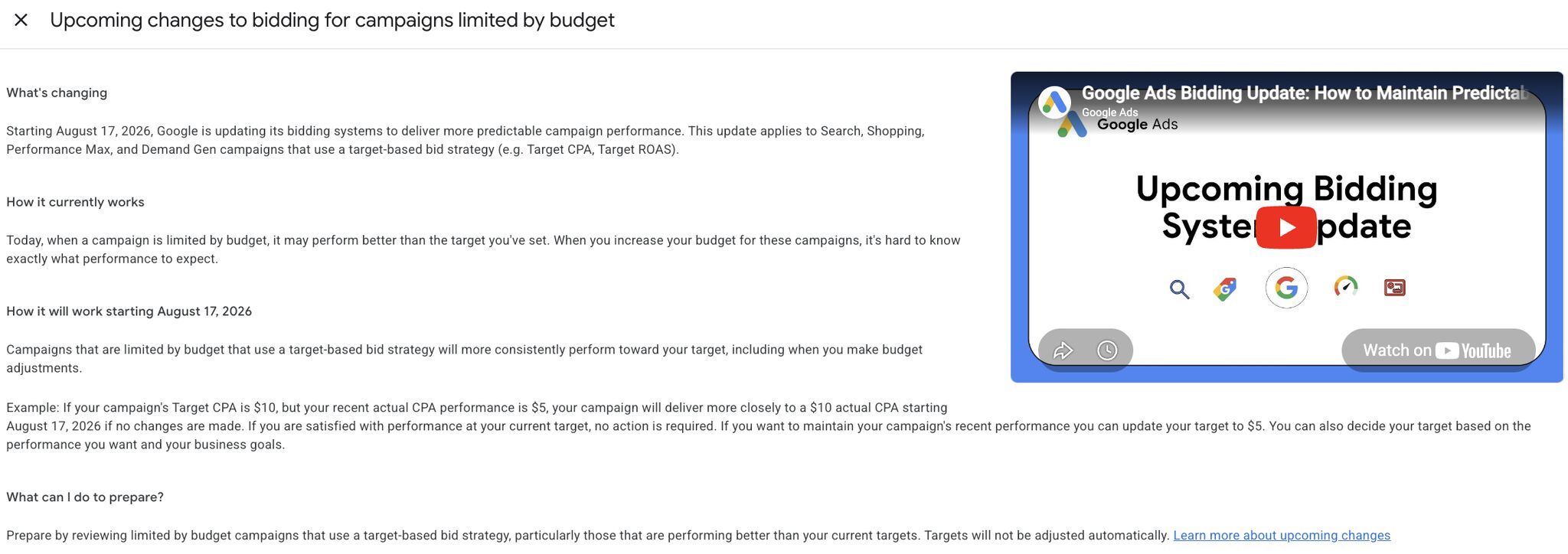
If there is a change in the source of traffic, for example, from a social networks post that is promoting a sale, it may suggest that your conversion rate increase in addition to the traffic numbers. Page speed plays a vital function in conversion rates, as faster-loading pages provide a smoother user experience.
In addition to the strategies above, Baymard's substantial UX research study can assist you enhance your conversion rate and generate more sales by improving your user experience. Get Baymard Premium to get access to 700+ design guidelines and 275,000+ UX performance ratings insights already utilized by much of the world's leading sites.
[target2:anchor_exact1]Conversion rate optimization (CRO) is the procedure of enhancing a site or digital product to increase the percentage of users who finish a wanted action, whether that's making a purchase, signing up, reserving a demonstration, or transferring to the next step in a funnel. Traditionally, CRO has actually been specified as modifying aspects on website pages to increase conversion rates.
Preparing Your Paid Marketing for 2026 Standards
Because genuine CRO isn't about randomly tweaking buttons or rewriting headings. It's about comprehending user habits, forming data-backed hypotheses, and running regulated experiments to learn what in fact works. That's where the modern-day view of CRO can be found in. In numerous companies, CRO is treated as a marketing technique. Traffic comes in, and the objective is to "transform more of it." Teams test headings, change CTA colors, or shorten forms, hoping to enhance the portion of visitors who transform.
Without structure, this technique typically turns into uncertainty: small changes, inconsistent outcomes, and little long-term knowing. Which is why experienced CRO professionals increasingly prefer another term: Experimentation is the procedure of screening data-driven hypotheses by running controlled experiments. Rather of asking, "How do we increase conversions?" the question ends up being: "What do our company believe is preventing users from converting, and how can we check that belief?" Experiments involve changing particular components of a website or item in order to validate (or revoke) a plainly specified hypothesis.
One of the outcomes of that knowing is often greater conversions. Conversion lift is a byproduct, not the sole function.
When CRO is decreased to "enhancing conversion rates," teams often: Run tests without strong hypotheses Modification aspects without determining impact Focus just on short-term gains Ignore why a variation won or lost But when CRO is approached as experimentation, it becomes a discipline. A method to minimize danger, replace presumptions with proof, and develop a culture where decisions are tested instead of debated.
Top Conversion Tips for Better ROI
Which distinction shapes whatever else in this guide.

Latest Posts

Scaling PPC Success With AI

Paid Growth Marketing for Domestic Markets
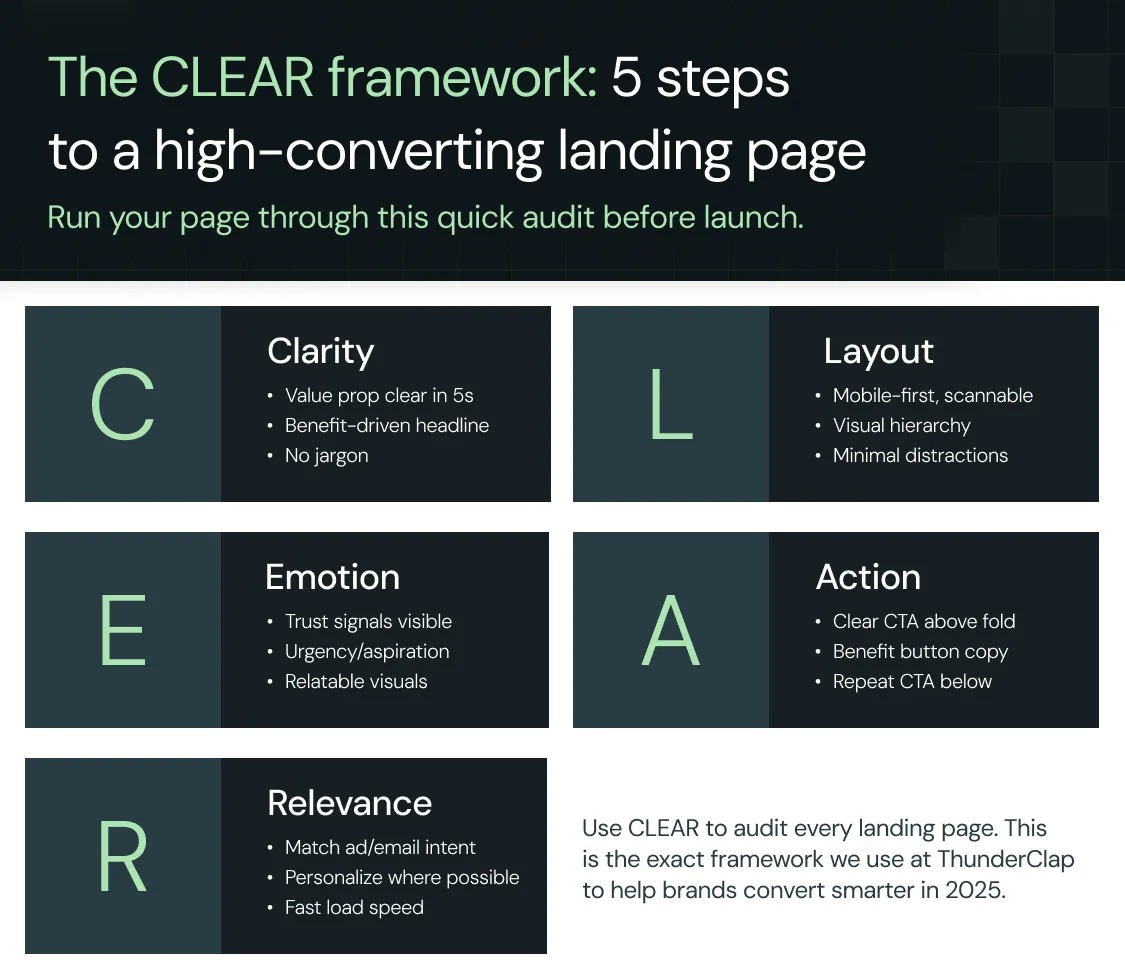
Improving Paid Growth Through CRO