All Categories
Featured


Leveraging Predictive Analytics for Better PPC Efficiency
Table of Contents
My 2 personal takeaways from this and other interviews I've done: 1. AMAZING how business ownership forces rapid personal, psychological, and emotional growth. Even considering that we tape-recorded this a couple of months ago I'm miles ahead of where I was in this moment.
Probably time for a bit of a clean-up back there. See here!.
[target1:anchor_exact1]Google Advertisements tracks dozens of numbers. The ones that matter depend on your project objective. Earnings projects enjoy ROAS and certified public accountant. Awareness projects track impressions and CTR. This guide breaks down the key metrics and shows you how to act upon every one.-- Metrics inform you whether your spend is working.
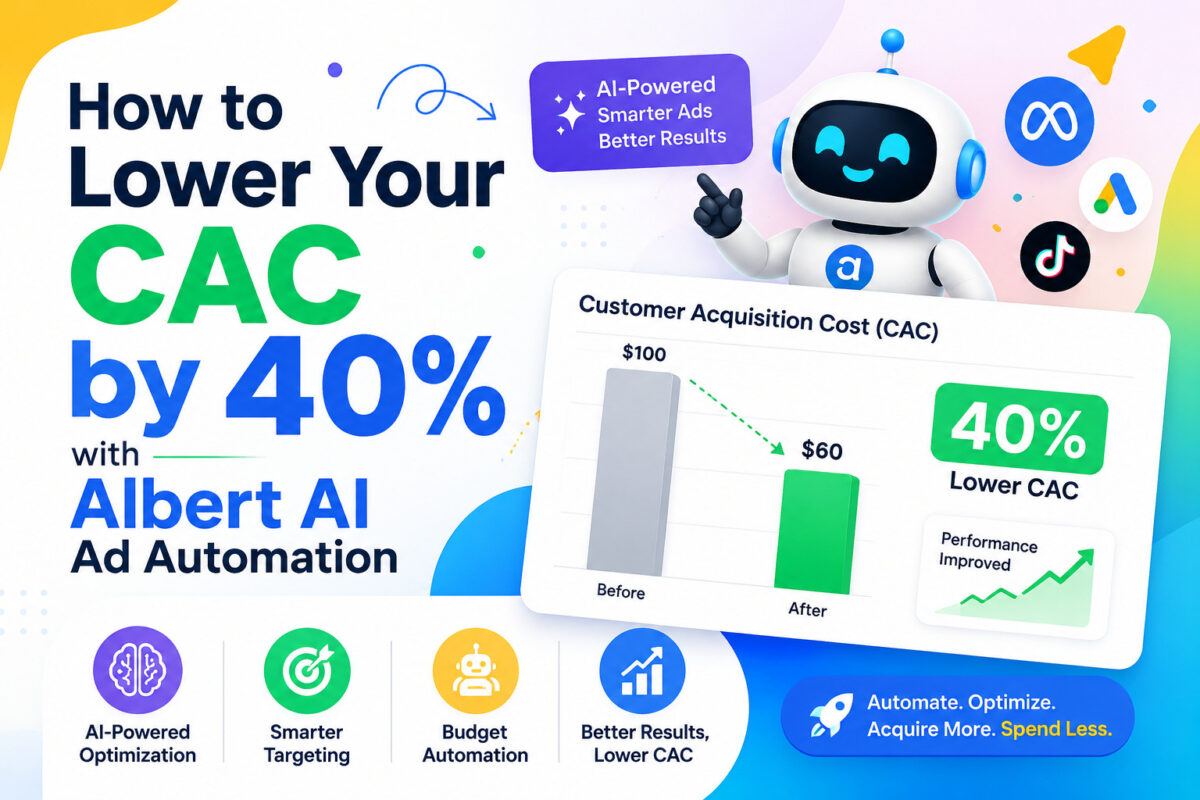
How to Reduce CPA Using AI Analytics
Per Google's Advertisements Help Center, the metrics you ought to focus on depend on your objective. Running a profits campaign? Enjoy ROAS and CPA. Structure brand awareness? Concentrate on impressions and reach. Driving leads? Conversions and conversion rate are your main signals. Chasing engagement? CTR tells you whether your ads are resonating.
Track what aligns with your objective. Every dollar you spend creates data. Metrics surface where that data points: which keywords squander budget plan, which advertisements pull clicks, which landing pages eliminate conversions. Without a metrics routine, optimization is uncertainty.-- These are top-of-funnel numbers. They tell you how typically your ad appears and how frequently people act on it.
High impressions coupled with low clicks is an indication. Your advertisement isn't compelling, or you're targeting the wrong audience. Impressions alone do not signify success, but they set the baseline for whatever else. CTR is clicks divided by impressions. Per Google Advertisements documentation, 5 click 100 impressions equates to a 5% CTR.
It feeds into Advertisement Rank, which identifies where your ad appears in the auction. Ads that regularly make clicks signal to Google that your material matches searcher intent.
Conversions foot the bill. A conversion is any action you define: a purchase, a type fill, a call. Conversion rate is conversions divided by qualified clicks. Per Google's Advertisements Assist Center, this metric tells you how frequently a click ends up being the result you want. A low conversion rate usually points to a landing page problem, not an advertisement issue.
High-Conversion Best Practices for Modern Paid Growth
If your CPA exceeds what a consumer is worth to you, the campaign needs work. Per Google Advertisements paperwork, a 500% ROAS indicates you make $5 in earnings for every $1 spent.
One important note: you require conversion tracking established in Google Advertisements before these metrics appear. Without it, you can not measure certified public accountant, ROAS, or conversion rate properly. This is total conversion value divided by overall advertisement invest. It gives you a fast ratio that estimates return on investment across your entire account.
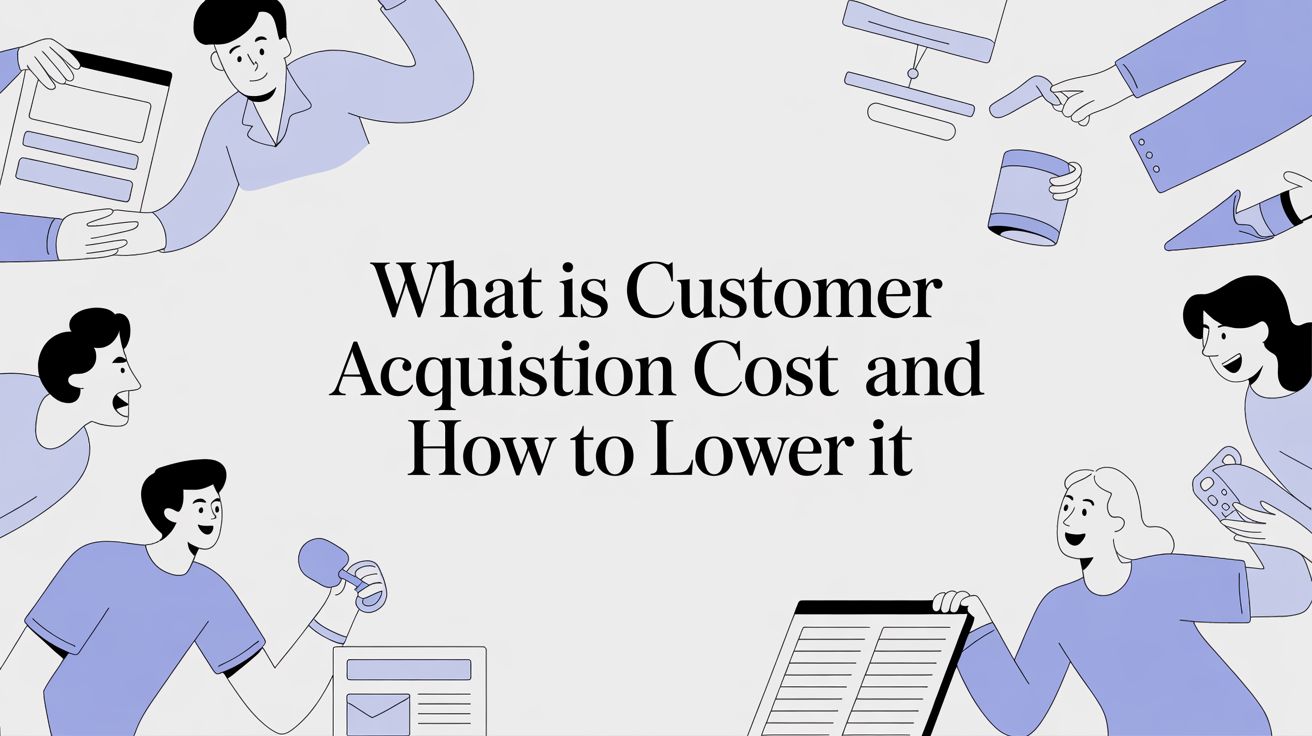
-- These tell you how you're doing relative to other advertisers going after the exact same audience. Impression share is the percentage of eligible impressions your ads really received. Per Google's Advertisements Assist Center, low impression share normally indicates you're losing presence to budget plan restraints or low bids. Outright top impression share tracks how typically your advertisement lands in the most prominent position.
[target2:anchor_exact1]Top Conversion Rate Optimization Strategies for Lower Costs
Per Google Ads documents, it's developed from three elements: expected CTR, advertisement relevance, and landing page experience. Each part is ranked above average, average, or below average compared to other advertisers over the last 90 days.
Below-average ad relevance? Your keywords and ad copy aren't aligned.-- Understanding the metrics is action one.
Inspect the metrics that match your objective first. Don't chase CTR if your objective is CPA. Set a reporting regimen: weekly for active projects, regular monthly for evergreen ones. Consistency beats occasional deep dives. A lot of CTR and conversion rate issues come from weak innovative or copy. Evaluate a new headline. Swap in a more powerful image.

Latest Posts

Scaling PPC Success With AI
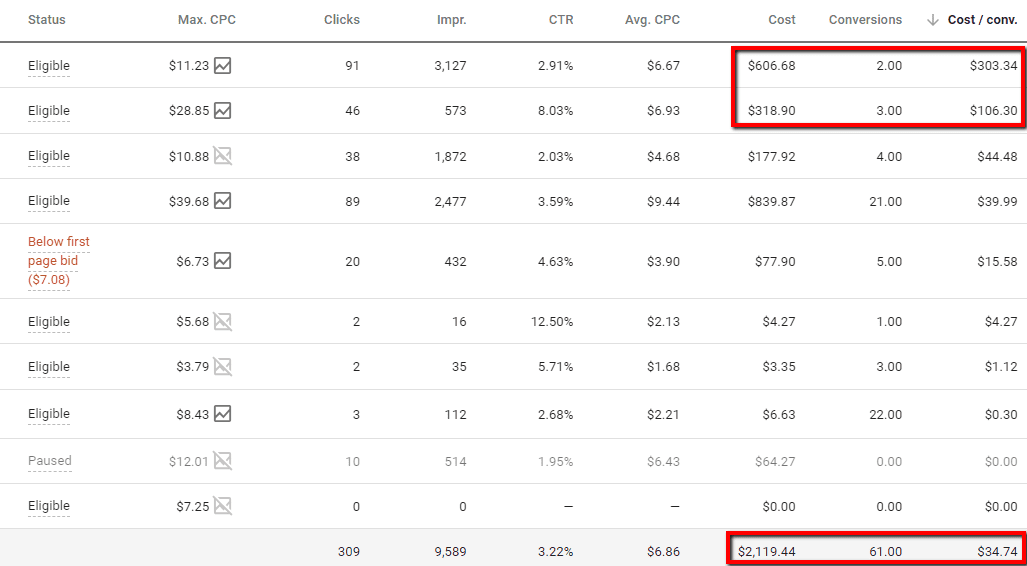
Paid Growth Marketing for Domestic Markets
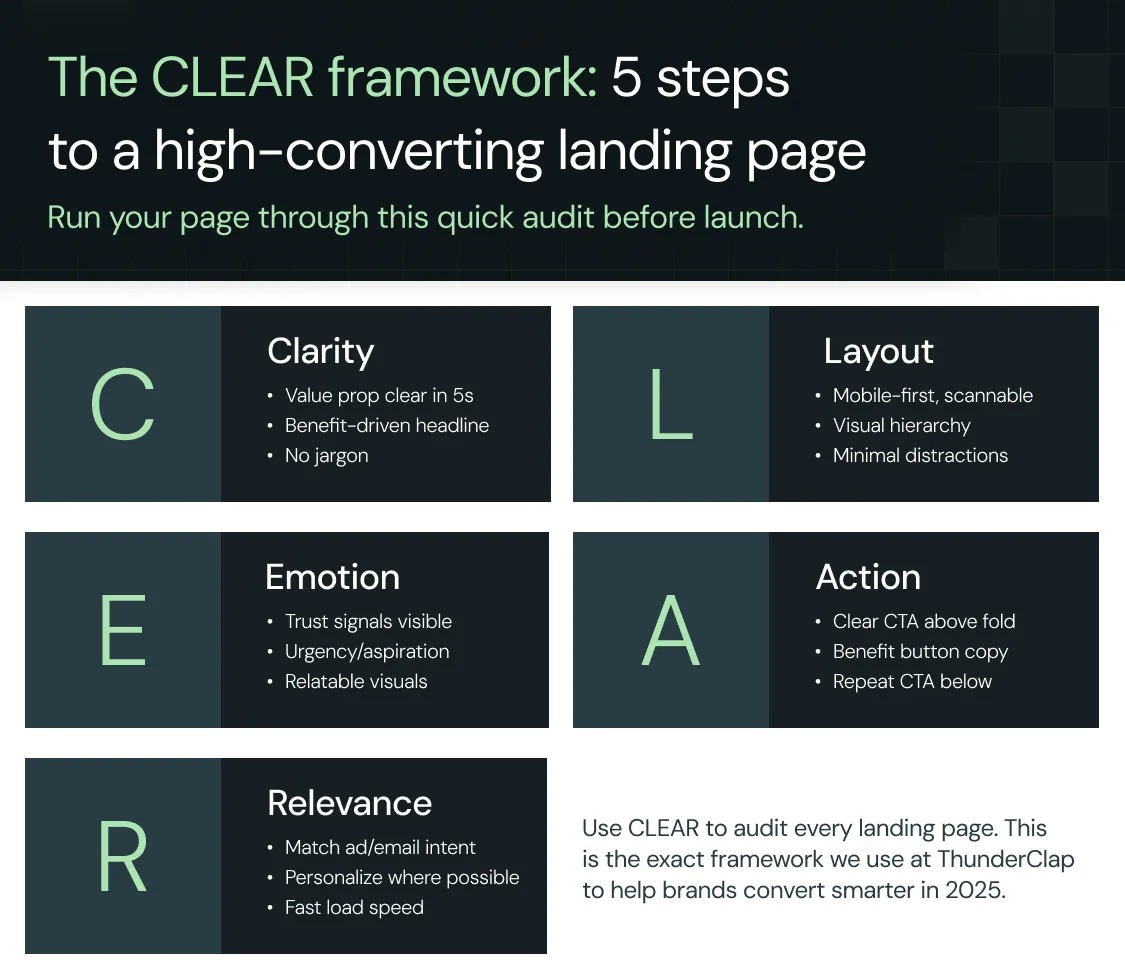
Improving Paid Growth Through CRO